A transponder key is a metal key with a small security chip in its head that the car must recognize before the engine will run. A smart key is a fob that stays in your pocket while you unlock the doors by touch and start the car with a button. Both have to be electronically programmed to your specific vehicle, which is why replacing a modern car key is more than a quick copy at a hardware store.

The four main types of car keys
| Key type | How you use it | Needs programming? |
|---|---|---|
| Standard metal key | Turn it in the door and ignition | No |
| Transponder key | Turn it in the ignition; chip is read automatically | Yes |
| Remote head key | Turn it in the ignition; buttons lock and unlock | Yes, chip and remote |
| Smart / proximity key | Keep it on you; push a button to start | Yes |
1. Standard metal key
This is the classic all-metal key, or a metal key with a thin plastic cover and no electronics. The cuts on the blade are the only security. If the cuts match, the lock turns and the car starts. You will find these mostly on older vehicles. They are the simplest and least expensive keys to replace.
2. Transponder key
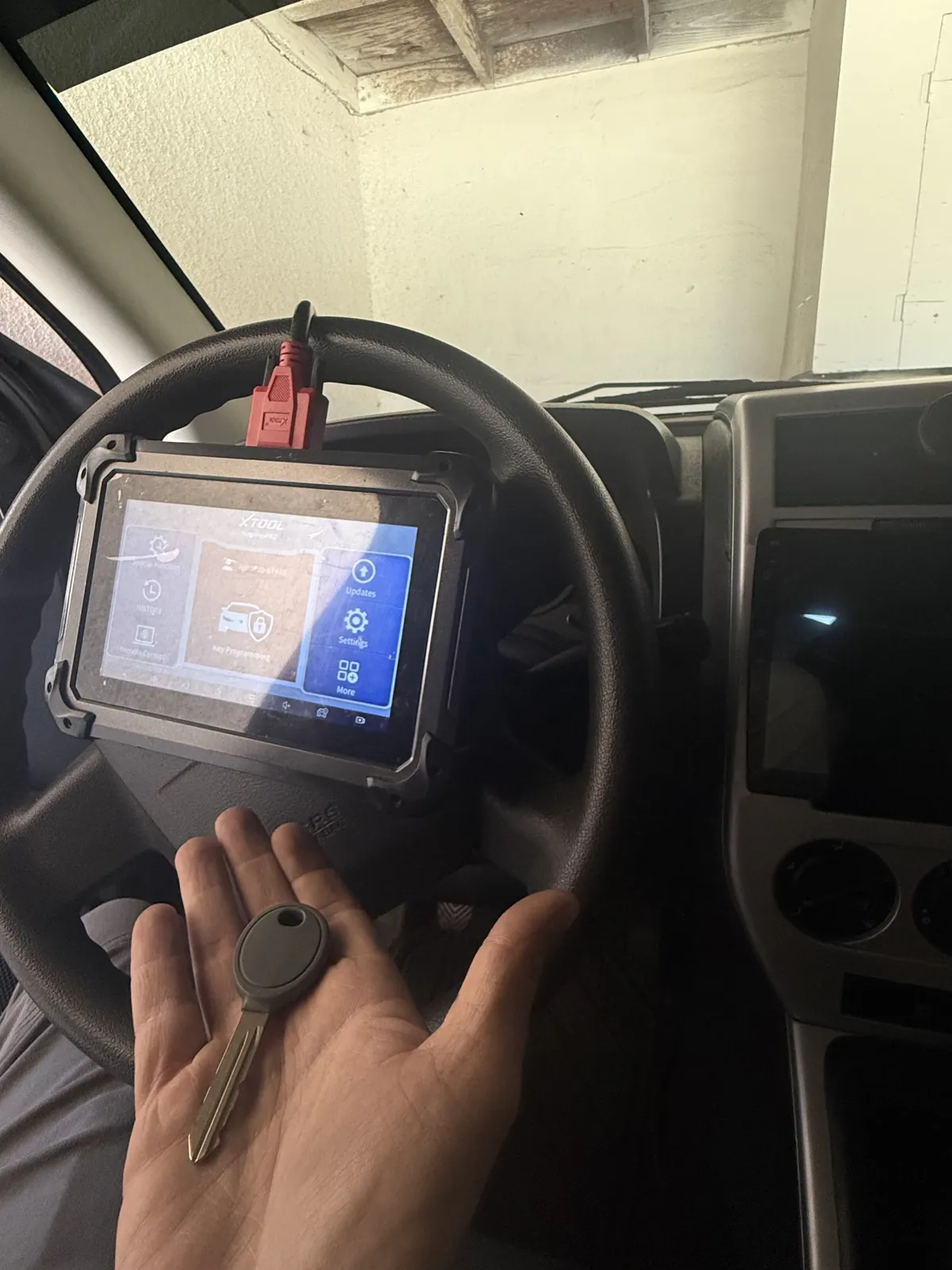
From the outside, a transponder key looks like a regular key with a thicker plastic head. Inside that head is a tiny chip. When you turn the key, the car sends out a signal, the chip answers with its code, and the car's immobilizer checks whether that code is on its approved list.
If the code is not recognized, the engine will not run, even though the key turns. Depending on the vehicle, it may crank without starting, or start and shut off after a second. Most vehicles made since the mid-1990s use transponder keys. The chip is powered by the car's signal, so it has no battery to go flat.
3. Remote head key
A remote head key combines a transponder key with a remote in a single unit. The blade and chip start the car, and the buttons on the head lock, unlock, and often open the trunk or sound the alarm. Some fold into the housing like a pocket knife, which people often call a flip key.
There are two separate systems in one of these: the immobilizer chip and the remote transmitter. That is why a remote head key can fail in two different ways. If the buttons stop working but the car still starts, the remote side has a problem, often just a weak battery. Our key fob troubleshooting guide covers what to check.
4. Smart key (proximity key)
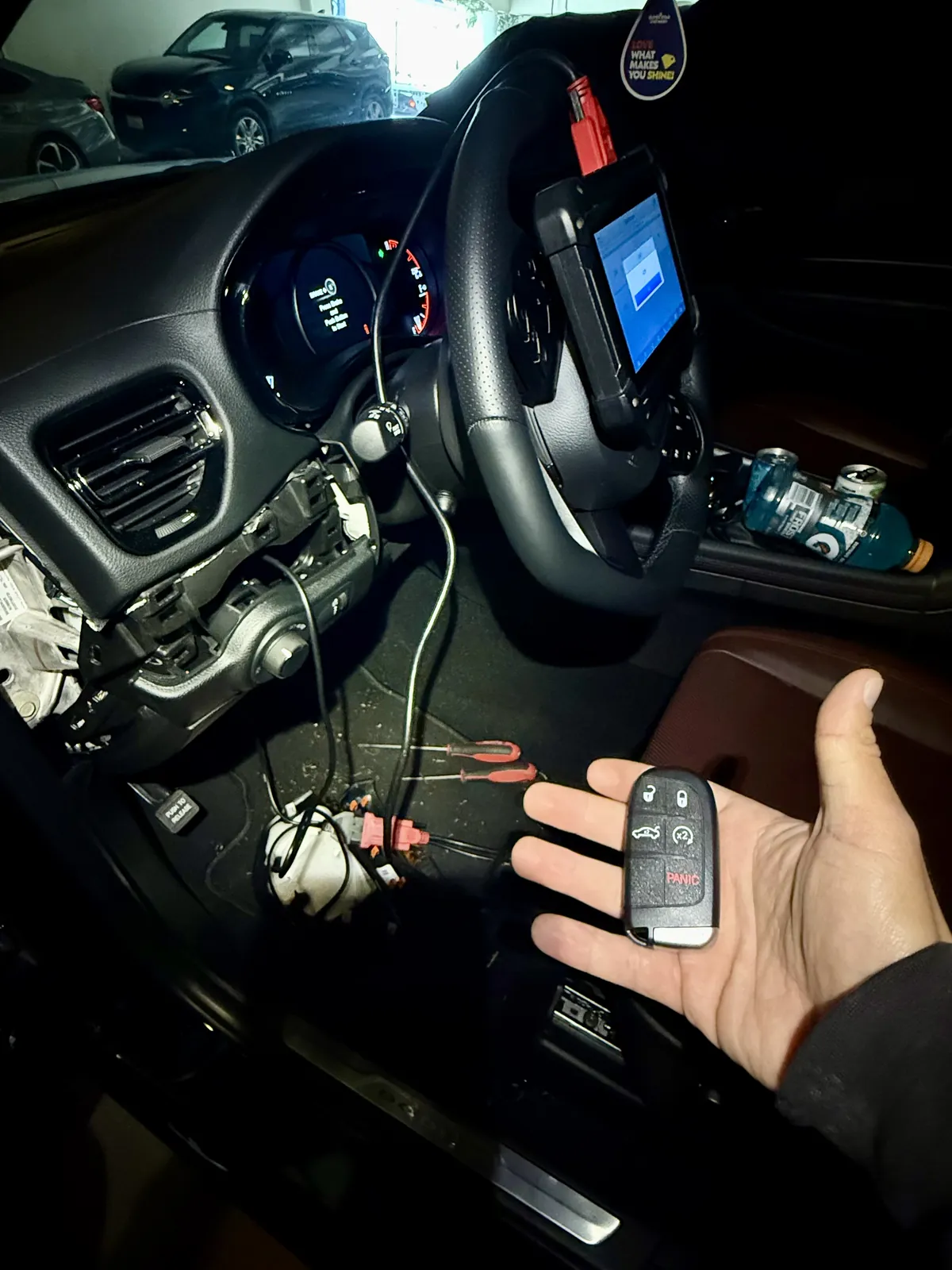
A smart key does not need to leave your pocket or bag. The car detects that the fob is close, lets you unlock the door by touching the handle or pressing a button on it, and lets you start the engine with a push button. Smart keys are now standard on most newer vehicles.
Most smart keys hide a small mechanical blade inside the fob for unlocking the door if the fob battery dies. Most cars also have a backup way to start with a dead fob, typically by holding the fob against the start button or a marked spot on the console. The exact method is in your owner's manual and is worth looking up before you need it.
How to tell which key you have
- All metal, or a very thin plastic cover: probably a standard key.
- Thick plastic head, no buttons, car made after the mid-1990s: very likely a transponder key.
- Buttons on the head of a key you insert and turn: remote head key.
- Your car has a start button and no slot for a key blade: smart key.
Why a new key has to be programmed
Think of a modern car key as two things in one: a mechanical key and an electronic password.
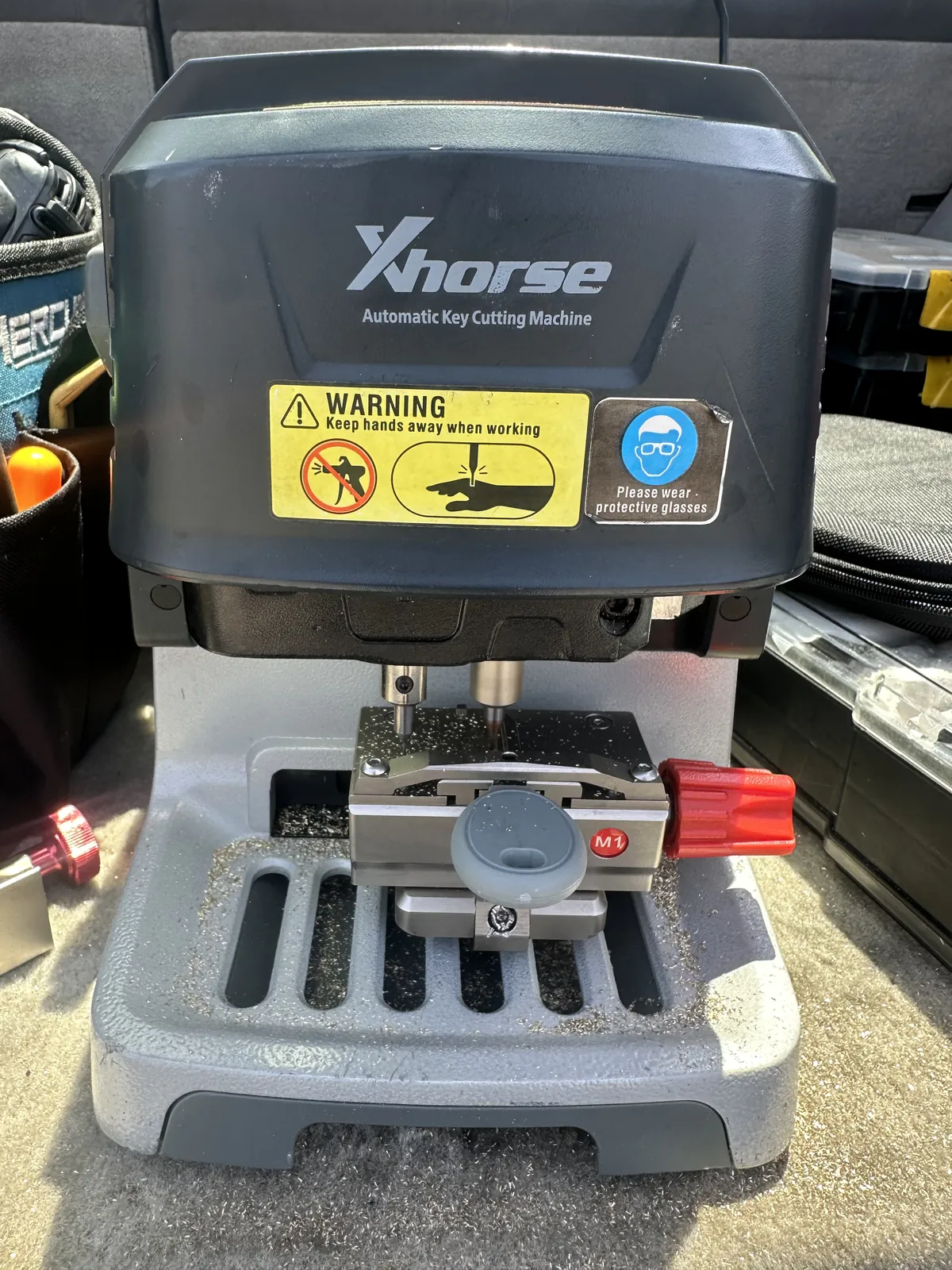
Cutting shapes the metal blade so it turns your door lock and ignition. Programming registers the key's chip or fob with the car's computer so the immobilizer accepts it. A key that is cut but not programmed will open the door and then fail to start the engine. This is the most common surprise for people who order a blank online and have it cut at a store.
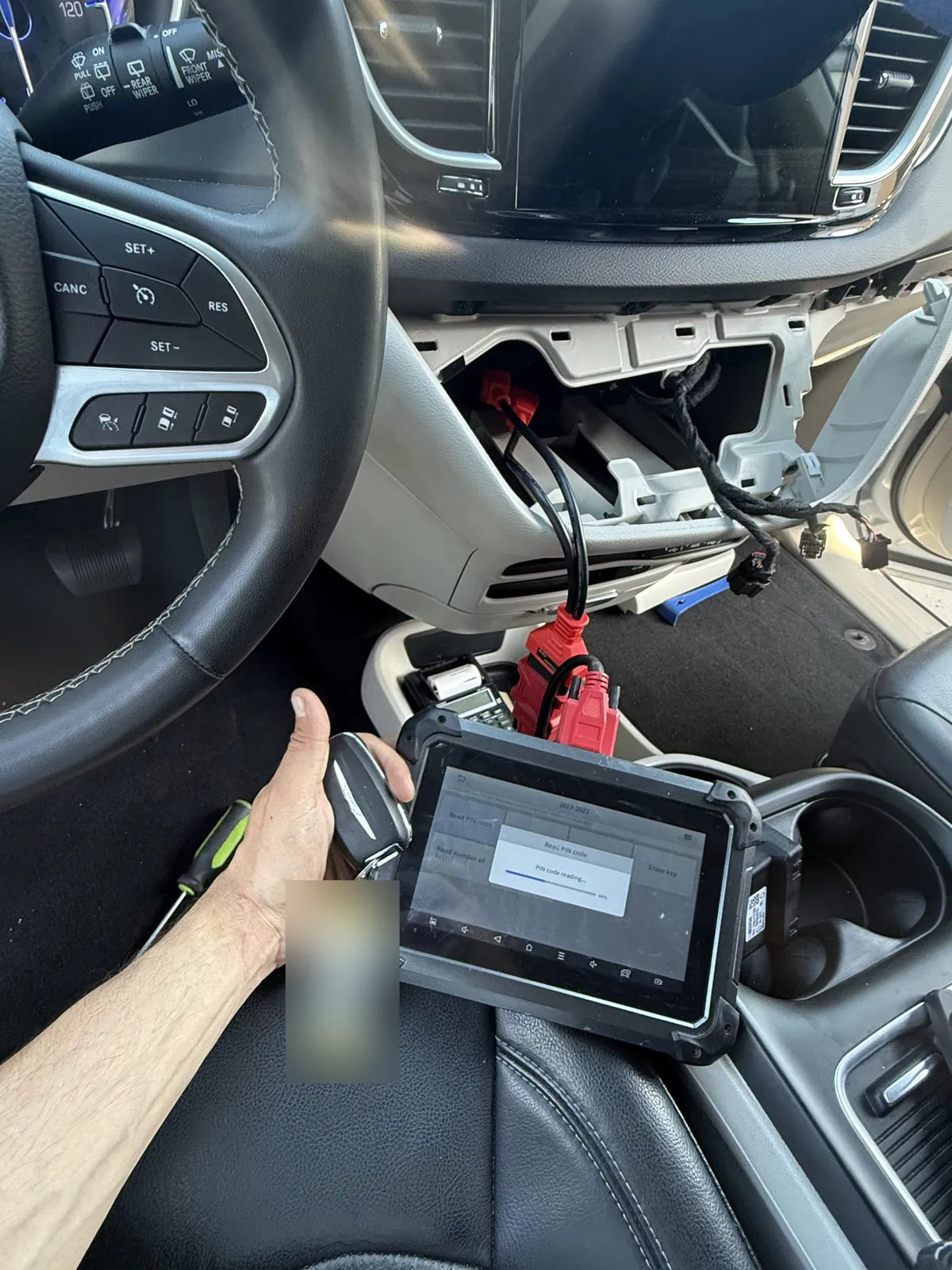
Programming is done with diagnostic equipment connected to the car, usually through the OBD port under the dashboard. The locksmith puts the car into a learning mode and adds the new key to its list of approved keys. Keys that have been lost can usually be removed from that list at the same time, so they will no longer start the car. Our transponder key programming page explains the service.
What this means for cost
Price rises with complexity. A standard key costs the least, then a transponder key, then a remote head key, with smart keys at the top. Luxury and European makes cost more again because their key blanks and programming are more involved. Having no working key at all also adds work. The car key replacement cost guide shows how it breaks down by key type.
If your key is lost or has stopped working
- Buttons do nothing but the car starts: try a fresh fob battery first.
- Key turns but the engine will not run: the chip may be damaged or may have lost its programming.
- Fob is cracked, wet or missing: you need a key fob replacement.
- No working key at all: follow our guide on what to do when you have lost your car keys.
Whatever type of key you have, 770 Locksmith can cut and program a replacement at your location anywhere in Orange County. Call (949) 284-6372 Sunday through Thursday 7:00 AM to 10:00 PM or Friday 7:00 AM to 2:00 PM. We are closed Saturday.